The opportunity
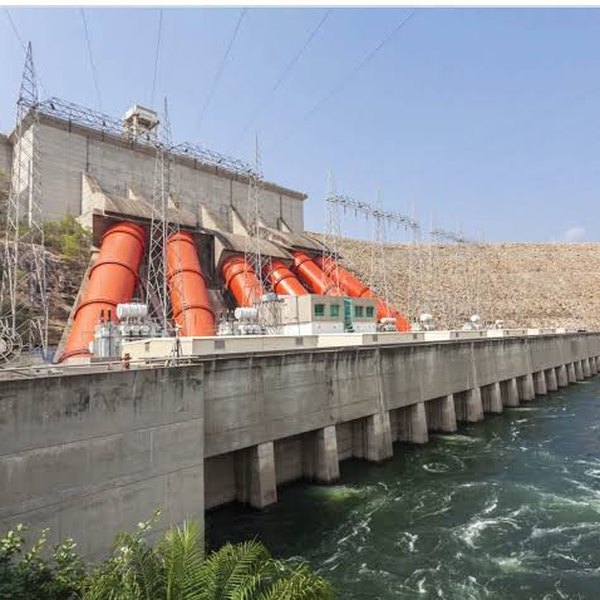
Ghana’s growing industrial base needs reliable, lower-cost power. An ageing hydro facility with under-used capacity was offered to private operators under a public–private partnership model.
The developer proposed adding floating and ground-mounted solar alongside the rehabilitated turbines, balancing daytime solar output with hydro storage.
Why Ghana
A clear framework for independent power producers, a creditworthy offtaker and strong development-finance interest in West African renewables made the project bankable.
The site’s existing grid connection and transmission lines significantly reduced capital cost.
The results
The hybrid plant now delivers 60 MW of clean capacity to the national grid and has improved supply reliability for industrial users in the middle belt.
A local operations and maintenance team of 140 was trained on site, with a community fund supporting schools and water projects in nearby towns.
Structured as a PPP, the project brought private capital and operating expertise to an existing public asset without new borrowing by the state.
How GIPA supported the investment
- Coordinated early engagement with the Energy Commission and the PPP unit
- Supported the investor through incentive and customs processes for equipment imports
- Brokered introductions to development-finance institutions and local banks
- Facilitated community engagement with district assemblies and traditional leaders